

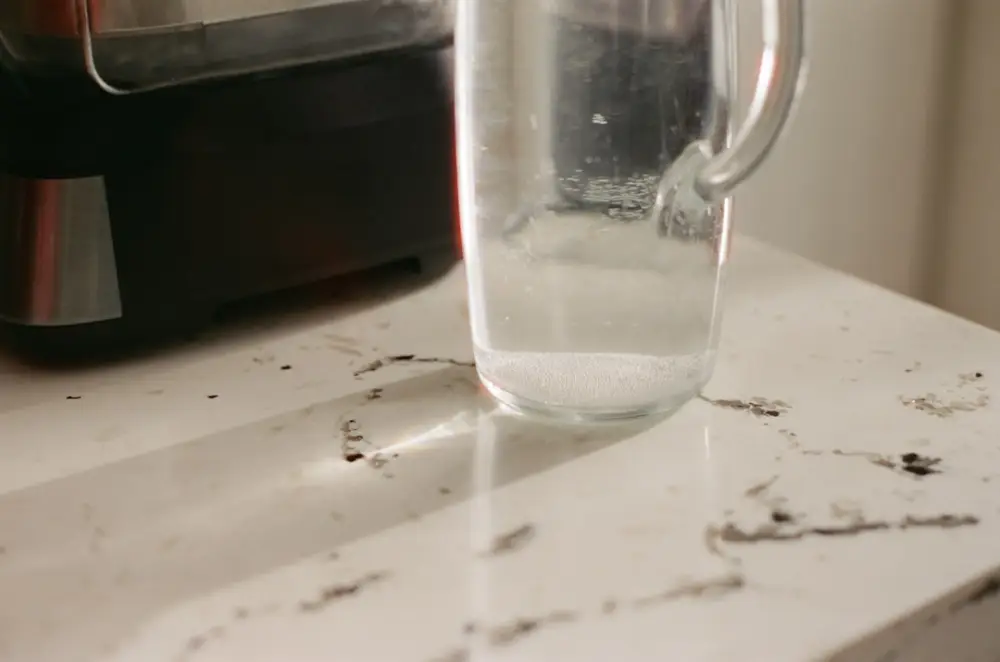
How to finally stop those kitchen ants from coming back
Practical Strategies to Keep Your Kitchen Ant-Free
Nothing ruins a peaceful morning quite like walking into your kitchen, reaching for the coffee canister, and discovering a disciplined line of tiny ants marching across your countertop. It is a common frustration for homeowners, and often, it feels like no matter how many times you wipe them away, they return just a few hours later with even more reinforcements.
At BD Pest Solutions, we know that the secret to stopping kitchen ants isn't just about killing the ones you see—it’s about changing the environment that invited them in the first place. This guide will walk you through practical, actionable steps to reclaim your kitchen and ensure those uninvited guests stay away for good.
Understanding Why Ants Keep Returning
To stop the cycle, you first have to understand why it’s happening. Ants are highly organized social creatures. When a 'scout' ant finds a food source in your kitchen, it doesn't just eat and leave. It leaves behind a chemical scent known as a pheromone trail. This trail acts as a GPS for the rest of the colony, telling them exactly where to find the prize.
If you simply wipe the ants away with a dry cloth, the pheromone trail remains. The next wave of ants will follow that invisible scent right back to your sugar bowl or those few crumbs behind the toaster. To stop them, you have to break the trail and remove the incentive.
Step 1: Disrupt the Trail and Deep Clean
Your first line of defense is a thorough cleaning, but it needs to be more strategic than your daily wipe-down. Here is how to handle an active invasion:
- Use a Vinegar Solution: Mix equal parts white vinegar and water in a spray bottle. Vinegar is a natural deterrent that effectively dissolves pheromone trails. Spray the areas where you’ve seen ants and let it sit for a minute before wiping.
- Target Hidden Crumbs: Ants don't need a feast; a single drop of honey or a few grains of sugar is enough to sustain hundreds. Clean under the toaster, inside the microwave, and along the gaskets of your refrigerator door.
- Check Your Pet’s Bowls: Pet food is a major attractant. If you leave kibble out all day, consider switching to scheduled feedings or placing the food bowl in a shallow tray of water to create a 'moat' that ants can't cross.
Step 2: Secure Your Food Storage
If ants can’t smell or access a food source, they will eventually move on to a neighbor’s house. Cardboard boxes and thin plastic bags are no match for a determined ant. To truly protect your pantry, follow these storage tips:
Invest in Airtight Containers
Transfer sugar, flour, cereal, and snacks into glass or hard plastic containers with airtight seals. This not only keeps pests out but also keeps your food fresher for longer. Pay special attention to sticky items like honey jars and syrup bottles—wipe the outside of the containers after every use to ensure no residue remains.
Manage Your Trash
Your kitchen trash can is an all-you-can-eat buffet for ants. Ensure your bin has a tight-fitting lid and try to take the trash out every evening, especially if it contains fruit peels or sugary waste. Rinsing out soda cans and food jars before tossing them in the recycling bin can also make a massive difference.
Step 3: Seal the Entry Points
Ants are small enough to fit through the tiniest crevices. Even if your kitchen is spotless, they may still enter looking for water or shelter. Taking an afternoon to 'pest-proof' the perimeter of your kitchen is one of the most effective long-term strategies.
- Inspect the Windows: Check for gaps in window screens or cracks in the caulking around the frames.
- Check the Plumbing: Ants are often attracted to moisture. Look under your sink for leaky pipes or gaps where the plumbing enters the wall. Use expanding foam or caulk to seal these openings.
- Seal Baseboards and Backsplashes: Use a clear silicone caulk to seal the gap between your countertop and the backsplash, as well as any cracks along the baseboards where ants might be nesting.
When Is It Time to Call the Professionals?
While DIY methods are great for small, seasonal sugar ant problems, some infestations require a more technical approach. If you notice large, black ants (which could be Carpenter Ants) or if the ants persist despite your best cleaning efforts, the nest may be located deep within your walls or foundation.
Professional pest control, like the services we provide at BD Pest Solutions, goes beyond the surface. We identify the specific species of ant and use targeted treatments that the workers take back to the queen, neutralizing the colony at its source. This is often the only way to stop a recurring problem that spans several seasons.
Maintaining an Ant-Free Home
Consistency is the key to a pest-free kitchen. By making a few small changes to your daily routine—like wiping down counters with a vinegar-based cleaner and storing food in sealed containers—you create an environment that is simply unattractive to scouts. Remember, ants are always looking for the path of least resistance. When you make your kitchen difficult to access and provide no rewards for their effort, they will look elsewhere.
If you've tried everything and those persistent ants are still making appearances, don't get discouraged. Sometimes the colony is just too established for household cleaners to handle. Feel free to reach out to BD Pest Solutions for a professional inspection. We’re here to help you get back to enjoying your kitchen in peace.

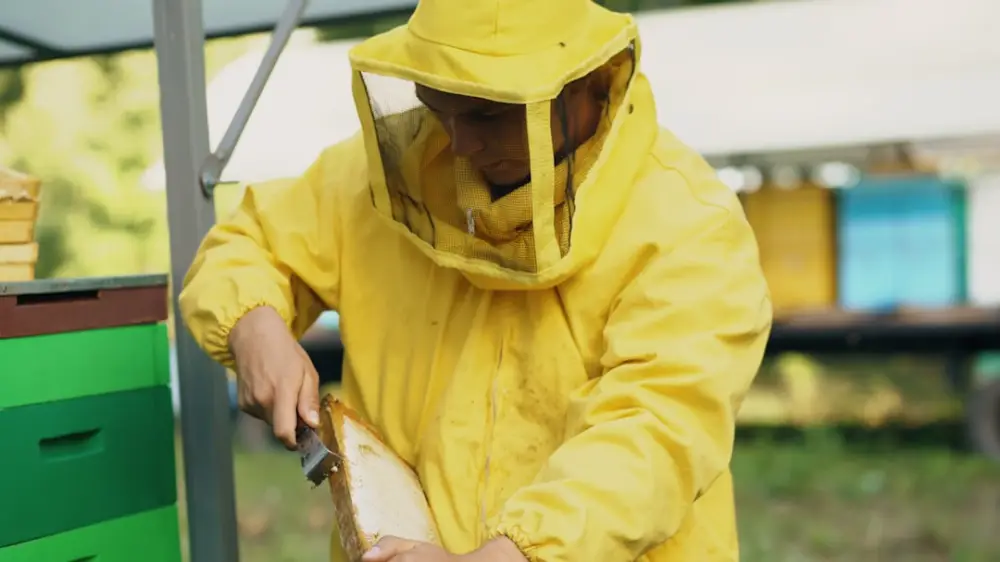
DIY vs. Professional Pest Control: When to Call the Pros
Choosing the Right Approach for Your Pest Problems
Every homeowner or business owner eventually faces the same dilemma: you spot a line of ants in the kitchen or hear a mysterious scuttle in the attic, and your first instinct is to head to the hardware store. DIY pest control is an attractive option because it feels immediate and budget-friendly. However, there is a fine line between a minor nuisance you can handle yourself and a full-blown infestation that requires professional intervention.
Beyond these simple cleaning habits, it is helpful to implement year-round prevention tips to ensure your property remains safe and comfortable in every season.
At BD Pest Solutions, we believe in empowering our clients with practical knowledge. Understanding when to roll up your sleeves and when to pick up the phone can save you time, money, and a significant amount of stress. In this guide, we will break down the practical differences between DIY methods and professional services, helping you make the best choice for your property.
When DIY Pest Control Makes Sense
Not every bug sighting requires a professional team in a van. For minor, isolated issues, DIY methods can be quite effective. If you have spotted a single spider or a few stray ants after a heavy rain, you can often manage the situation with basic household maintenance and over-the-counter products.
Effective DIY Strategies for Homeowners
If you choose to handle a small issue yourself, focus on these actionable steps:
- Sanitation: Pests are usually looking for food and water. Keeping counters wiped, floors vacuumed, and food stored in airtight containers is the most effective DIY pest control method available.
- Exclusion: Use caulk to seal small gaps around windows and doors. Check your window screens for tears and ensure your door sweeps are intact.
- Natural Repellents: For minor ant issues, vinegar solutions or peppermint oil can act as a temporary deterrent to disrupt their scent trails.
- Traps: Sticky traps can help you monitor activity levels and identify what kind of pests are moving through your home.
While these methods are great for prevention and minor maintenance, they often fail to address the root cause of a larger problem. If the pests keep coming back, it is a sign that the DIY approach has reached its limit.
5 Signs It Is Time to Call BD Pest Solutions
Knowing when to stop DIY efforts is crucial. Using the wrong chemicals or failing to find the nest can actually make an infestation worse by scattering the pests into other areas of your building. Here are the clear indicators that you need professional help:
- Recurring Infestations: If you spray for ants or roaches and they disappear for three days only to return in greater numbers, you are only killing the "scouts" while the colony remains protected.
- Structural Damage: If you see hollowed-out wood, mud tubes on your foundation, or chewed electrical wires, you are dealing with wood-destroying organisms or rodents that can compromise the safety of your home.
- Health and Safety Risks: Pests like cockroaches, rodents, and bed bugs carry pathogens and allergens. If someone in your home has asthma or a weakened immune system, professional remediation is the safest route.
- Nests or Hives: Attempting to remove a wasp nest or a hornets' nest without the proper protective gear and knowledge can lead to dangerous stings.
- Widespread Sightings: Seeing pests during the day that are typically nocturnal (like cockroaches or bed bugs) usually indicates that the population has grown so large that they are being pushed out of their usual hiding spots.
The True Cost of DIY vs. Professional Services
Many people choose DIY to save money, but this can be a false economy. Over-the-counter sprays and baits can be expensive, and if they do not work, you end up buying multiple products without solving the issue. Furthermore, improper use of these chemicals can pose risks to your pets and children.
Professional Expertise and Equipment
When you hire BD Pest Solutions, you aren't just paying for someone to spray a liquid around your baseboards. You are paying for a comprehensive service that includes:
- Accurate Identification: Treating for the wrong type of ant or beetle is a waste of resources. Professionals identify the exact species to use the most effective treatment.
- Integrated Pest Management (IPM): We use a holistic approach that focuses on long-term prevention, using the least toxic methods possible to achieve results.
- Advanced Tools: Professionals have access to commercial-grade baits, foaming agents for wall voids, and specialized equipment that reaches where pests hide.
- Guaranteed Results: Most professional services come with a warranty. If the pests come back, the company returns to finish the job at no extra cost to you.
Safety First: Handling Chemicals Responsibly
A major concern with DIY pest control is the misuse of pesticides. It is a common mistake to think that "more is better," but over-applying chemicals can lead to runoff, environmental damage, and indoor air quality issues. Professionals are trained in the exact dosages required and know how to apply treatments in areas that are inaccessible to pets and children.
The Importance of Targeted Treatment
Rather than a "blanket spray" approach, professionals target the specific biology of the pest. For example, some baits are designed to be taken back to the queen, destroying the entire colony from the inside out. This is far more effective than a surface spray that only kills the bugs you see.
Conclusion: Finding the Right Balance
Maintaining a pest-free home is a partnership. While you can handle the daily chores of cleaning, sealing gaps, and monitoring for activity, some battles are best left to the experts. By recognizing the signs of a serious infestation early, you can protect your property and your family's health.
If you’re struggling with persistent pests or simply want the peace of mind that comes with a professional inspection, BD Pest Solutions is here to help. Our practical, effective methods ensure your home or business stays comfortable and pest-free year-round. Don't wait for a small problem to become a big headache—reach out to a professional today.
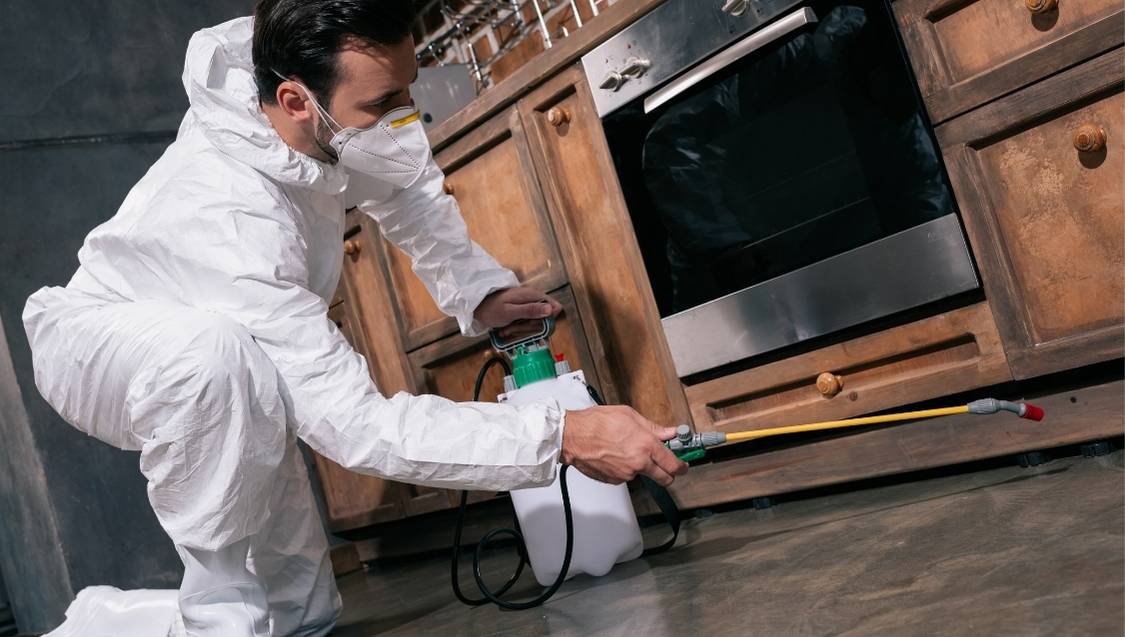
What Attracts Pests to Your Property and How to Reduce Risk
Pests don’t show up randomly — they follow clear cues. If your property provides food, moisture, warmth, or easy shelter, it quickly becomes a target. Understanding what draws pests in is the first step toward preventing costly infestations and maintaining a healthier home environment.
Below is a direct breakdown of the most common attractors and how to neutralize them.
1. Excess Moisture and Hidden Leaks
Moisture is the biggest magnet for pests like termites, cockroaches, and rodents.
Common culprits include:
- Dripping pipes
- Poor ventilation
- Damp basements
- Clogged gutters
Risk reduction: Fix leaks immediately, improve airflow, and keep gutters clear to prevent pooling water.
2. Easily Accessible Food Sources
Leftover crumbs, unsealed containers, and overflowing bins create a buffet for pests. Rodents, ants, roaches, and flies will exploit the tiniest traces of food.
Risk reduction:
- Store goods in airtight containers
- Clean kitchen surfaces daily
- Seal trash bags and empty bins regularly
3. Clutter and Unused Storage Areas
Pests thrive in areas you rarely check — attics, garages, sheds, and overstuffed storage rooms. Cardboard boxes, paper stacks, and fabric piles become perfect nesting materials.
Risk reduction: Declutter routinely, use sealed plastic containers, and maintain bright, ventilated storage spaces.
4. Cracks, Gaps, and Poor Sealing
Even small openings around windows, doors, vents, and utility lines allow pests to enter. Rodents can squeeze through gaps as small as a coin.
Risk reduction: Seal entry points using caulk, screens, draft stoppers, and weatherstripping.

5. Overgrown Landscaping and Outdoor Debris
Vegetation too close to your home creates a bridge for ants, spiders, termites, and rodents. Standing water in yard items also draws mosquitoes.
Risk reduction:
- Trim shrubs away from the house
- Clear yard debris
- Remove stagnant water
- Store firewood away from exterior walls
6. Warm, Undisturbed Spaces
Attics, crawlspaces, and insulation become prime nesting areas when unchecked. Once pests settle, they multiply fast.
Risk reduction: Inspect these areas seasonally and address insulation damage early.
A Property That's Hard to Access Is a Property That Stays Pest-Free
Your goal is simple: eliminate attractors before pests take advantage of them. Small, consistent maintenance steps dramatically reduce risk and strengthen long-term protection. When prevention becomes routine, infestations become rare—and your home stays cleaner, safer, and far more resilient.
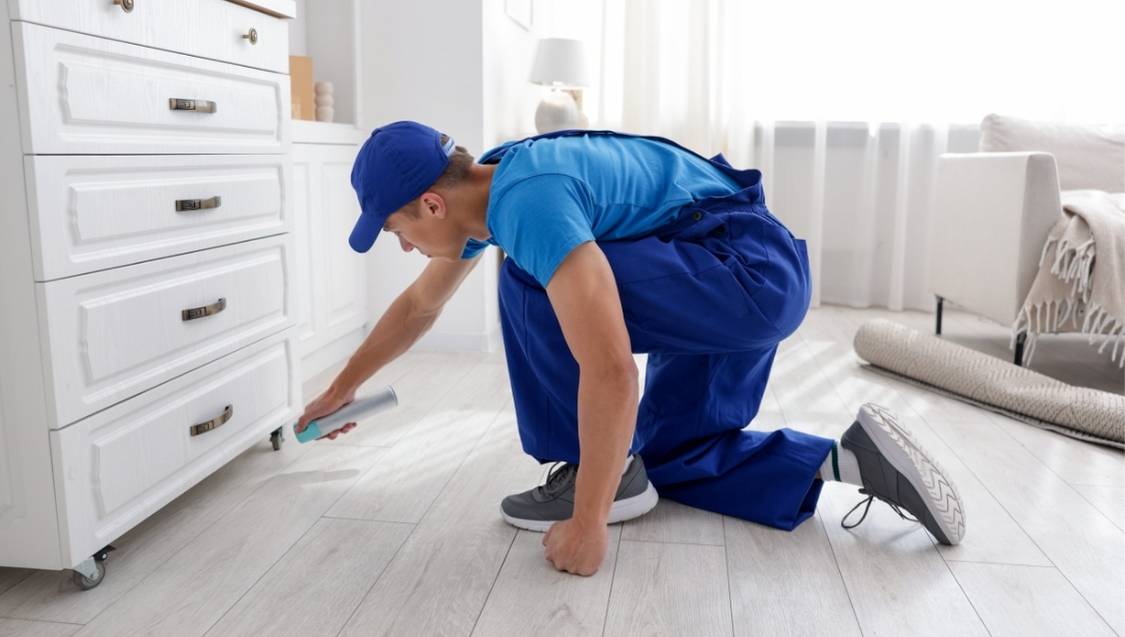
How to Spot Early Signs of Common Household Pests
Early detection is your strongest line of defense against infestations. Most homeowners don’t realize a problem exists until the damage is visible — and by then, the pests are already well-established. Recognizing subtle signs early saves money, prevents structural issues, and keeps your home healthy.
Below are the telltale indicators you should never ignore.
1. Unusual Sounds in Walls or Ceilings
Pests aren’t silent. If you hear scratching, tapping, or scurrying — especially at night — rodents or insects may already be moving through wall cavities, attics, or under flooring. These early audio cues often appear long before visible activity.
2. Droppings or Tracks in Hidden Corners
Small, dark droppings along baseboards, behind appliances, or inside cabinets are top warning signs. Rodents, cockroaches, and even ants leave behind trace evidence. If you notice smudges, grease marks, or dusty footprints, assume pests are mapping out travel paths.
3. Damage to Food Packaging or Stored Goods
Gnaw marks on cardboard boxes, chewed food bags, or punctured plastic containers are classic indicators of rodents or pantry pests. Once they access your food storage, the infestation accelerates quickly if not controlled immediately.
4. Odd Smells or Sudden Mustiness
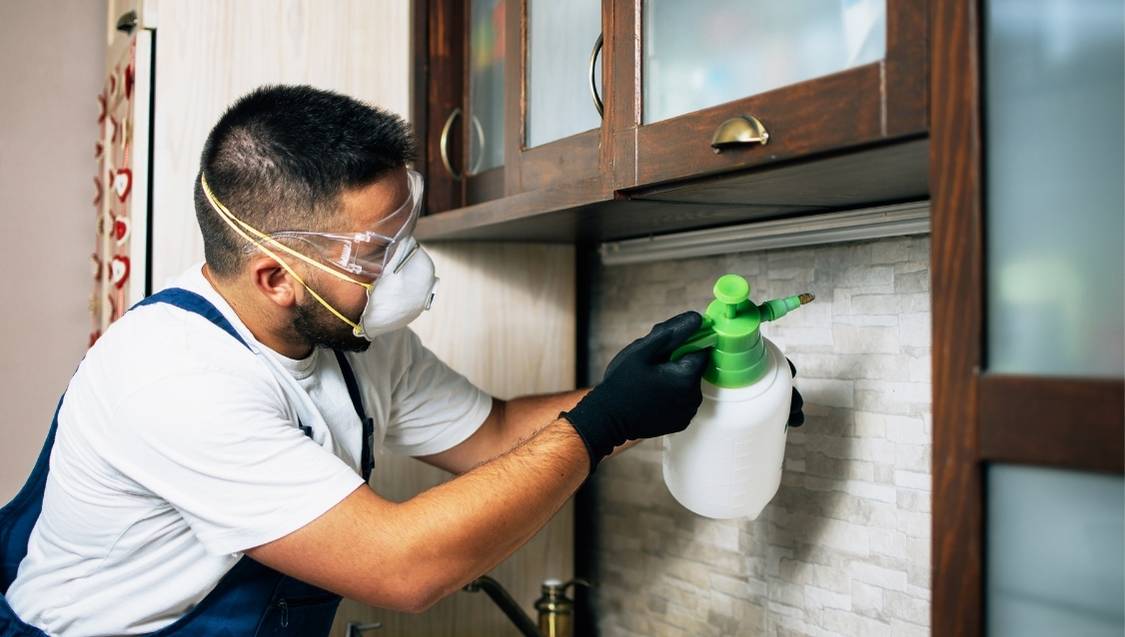
Some insects and rodents produce distinct odors:
- Mice: musty and sour
- Cockroaches: oily or sweet
- Dead insects: sulfur-like decay
If a new smell appears and lingers, it’s often a clue that pests are nesting or dying somewhere indoors.
5. Visible Entry Points or Structural Damage
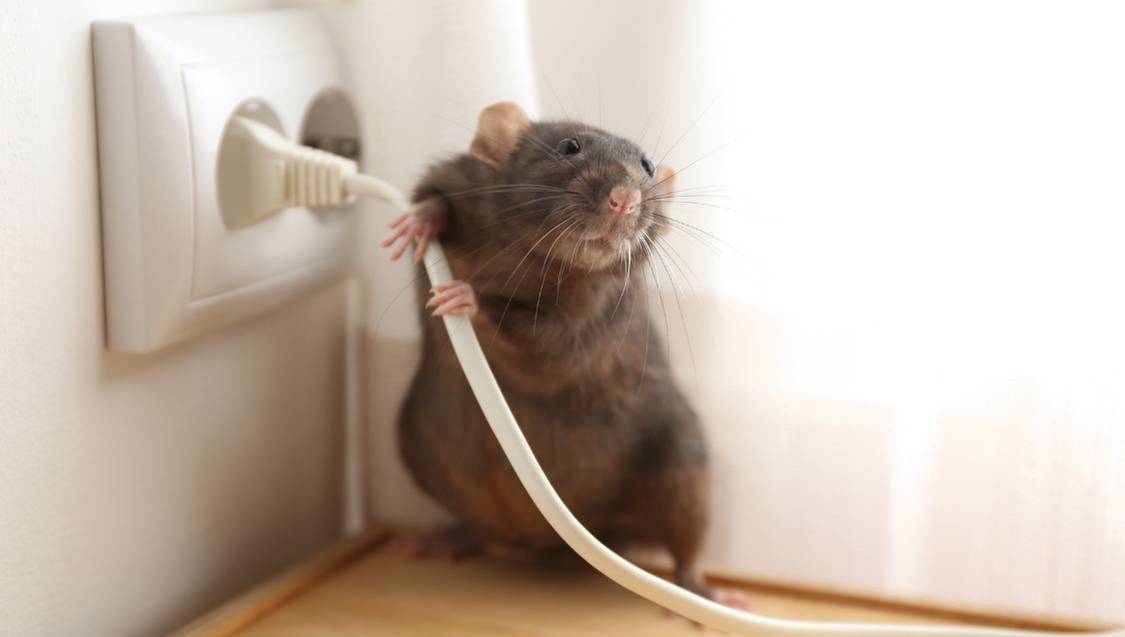
Small holes in drywall, gnawed wood, frayed wires, or insulation shredding point directly to rodent activity. Termites leave behind hollowed wood, mud tubes, and fine dust. Any unexplained damage means something is actively chewing, tunneling, or nesting.
6. Increased Outdoor Activity Near Your Home
Wasps hovering around eaves, ants forming trails, or rodents near garbage bins often reveal what’s happening inside. Exterior behavior is usually the precursor to an indoor invasion.
7. Shed Skins, Wings, or Body Parts
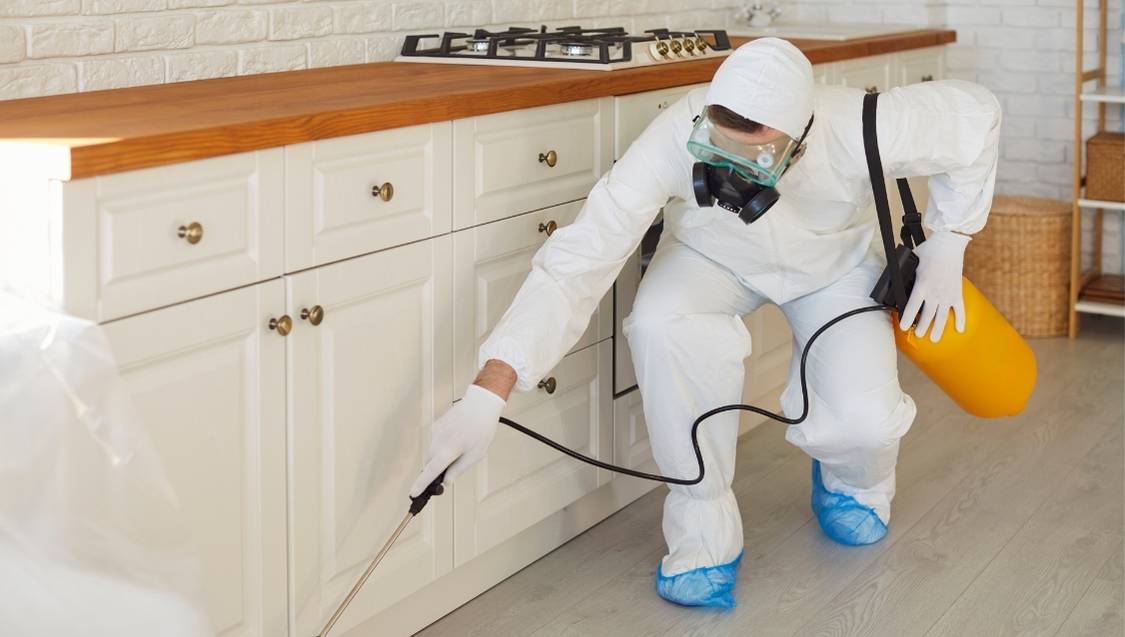
Many pests molt as they grow. Cockroach casings, termite wings, and shed ant parts are early, easily overlooked clues that a colony is developing.
Take the Signs Seriously — And Act Quickly
Pests multiply fast, and hesitation gives them time to spread through walls, wiring, and storage areas. If you spot any of these early indicators, investigate promptly or bring in professional support before the problem escalates.
Staying observant is the smartest way to protect your home year-round.

Essential Tips to Keep Your Home Pest-Free Year-Round
Keeping pests out of your home isn’t a seasonal task — it’s an ongoing strategy. Insects and rodents adapt quickly, and once they find food, moisture, or shelter inside your property, they multiply fast. A proactive, all-year approach is the only way to stay ahead of infestations and protect your living environment from costly damage and health risks.
Below are practical, proven strategies to maintain a clean, pest-free home no matter the season.
1. Seal Entry Points Before Pests Find Them
Most pests get inside through gaps you barely notice. Tighten your home’s defenses by:
- Filling cracks in walls and foundations
- Sealing gaps around pipes and utility lines
- Installing weatherstripping around doors and windows
- Repairing torn screens
When access points disappear, so do most pest problems.
2. Keep Your Kitchen Clean and Crumb-Free
Your kitchen is the number one attractant for ants, roaches, and rodents. Stay ahead by:
- Wiping counters after every meal
- Storing food in airtight containers
- Taking out the trash regularly
- Cleaning spills immediately
Eliminate food sources, and pests won’t have a reason to move in.
3. Manage Moisture and Fix Leaks Quickly
Pests thrive in damp environments. Even small leaks attract termites, roaches, and mosquitoes. Reduce moisture by:
- Repairing dripping faucets
- Fixing pipe leaks
- Running dehumidifiers in humid areas
- Improving ventilation in bathrooms, kitchens, and basements
Dry spaces discourage pest activity year-round.
4. Maintain Outdoor Spaces to Reduce Nesting Sites
Your exterior sets the tone for what enters your home. Prevent outdoor pests from migrating inside by:
- Trimming shrubs and tree branches away from the house
- Cleaning gutters and removing debris
- Storing firewood away from the property
- Eliminating standing water
A tidy yard significantly lowers your indoor pest risk.
5. Keep Trash Secure and Properly Stored
Open trash is an open invitation. Ensure your waste doesn’t attract pests by:
- Using bins with tight-fitting lids
- Cleaning garbage cans regularly
- Keeping indoor trash minimal
- Putting outdoor bins away from entry points
Simple adjustments prevent rodents and insects from scavenging.
6. Inspect Your Home Regularly
Consistent monitoring is essential. Look for:
- Droppings
- Chewed wiring or wood
- Unusual odors
- Small piles of dirt or sawdust
- Visible nests or trails
Early detection means easier, quicker treatment.
7. Use Preventive Treatments for High-Risk Seasons
Spring and summer bring spikes in pest activity. Preventive measures such as:
- Barrier treatments
- Safe indoor repellents
- Professional inspections
These steps can stop major infestations before they start.
8. Don’t Hesitate to Call a Professional
DIY methods only go so far. When pests persist or the signs escalate, professional support ensures long-lasting, safe solutions. Experts can identify hidden problems, treat infestations effectively, and install preventive systems built to last.
Conclusion
A pest-free home isn’t achieved through a single fix — it’s maintained through consistent habits, seasonal awareness, and strategic prevention. With the right combination of cleanliness, home maintenance, and professional oversight, you can enjoy a healthier, safer living environment every month of the year.