
Practical Strategies to Keep Your Kitchen Ant-Free
Nothing ruins a peaceful morning quite like walking into your kitchen, reaching for the coffee canister, and discovering a disciplined line of tiny ants marching across your countertop. It is a common frustration for homeowners, and often, it feels like no matter how many times you wipe them away, they return just a few hours later with even more reinforcements.
At BD Pest Solutions, we know that the secret to stopping kitchen ants isn’t just about killing the ones you see—it’s about changing the environment that invited them in the first place. This guide will walk you through practical, actionable steps to reclaim your kitchen and ensure those uninvited guests stay away for good.
Understanding Why Ants Keep Returning
To stop the cycle, you first have to understand why it’s happening. Ants are highly organized social creatures. When a ‘scout’ ant finds a food source in your kitchen, it doesn’t just eat and leave. It leaves behind a chemical scent known as a pheromone trail. This trail acts as a GPS for the rest of the colony, telling them exactly where to find the prize.
If you simply wipe the ants away with a dry cloth, the pheromone trail remains. The next wave of ants will follow that invisible scent right back to your sugar bowl or those few crumbs behind the toaster. To stop them, you have to break the trail and remove the incentive.
Step 1: Disrupt the Trail and Deep Clean
Your first line of defense is a thorough cleaning, but it needs to be more strategic than your daily wipe-down. Here is how to handle an active invasion:
- Use a Vinegar Solution: Mix equal parts white vinegar and water in a spray bottle. Vinegar is a natural deterrent that effectively dissolves pheromone trails. Spray the areas where you’ve seen ants and let it sit for a minute before wiping.
- Target Hidden Crumbs: Ants don’t need a feast; a single drop of honey or a few grains of sugar is enough to sustain hundreds. Clean under the toaster, inside the microwave, and along the gaskets of your refrigerator door.
- Check Your Pet’s Bowls: Pet food is a major attractant. If you leave kibble out all day, consider switching to scheduled feedings or placing the food bowl in a shallow tray of water to create a ‘moat’ that ants can’t cross.
Step 2: Secure Your Food Storage
If ants can’t smell or access a food source, they will eventually move on to a neighbor’s house. Cardboard boxes and thin plastic bags are no match for a determined ant. To truly protect your pantry, follow these storage tips:
Invest in Airtight Containers
Transfer sugar, flour, cereal, and snacks into glass or hard plastic containers with airtight seals. This not only keeps pests out but also keeps your food fresher for longer. Pay special attention to sticky items like honey jars and syrup bottles—wipe the outside of the containers after every use to ensure no residue remains.
Manage Your Trash
Your kitchen trash can is an all-you-can-eat buffet for ants. Ensure your bin has a tight-fitting lid and try to take the trash out every evening, especially if it contains fruit peels or sugary waste. Rinsing out soda cans and food jars before tossing them in the recycling bin can also make a massive difference.
Step 3: Seal the Entry Points
Ants are small enough to fit through the tiniest crevices. Even if your kitchen is spotless, they may still enter looking for water or shelter. Taking an afternoon to ‘pest-proof’ the perimeter of your kitchen is one of the most effective long-term strategies.
- Inspect the Windows: Check for gaps in window screens or cracks in the caulking around the frames.
- Check the Plumbing: Ants are often attracted to moisture. Look under your sink for leaky pipes or gaps where the plumbing enters the wall. Use expanding foam or caulk to seal these openings.
- Seal Baseboards and Backsplashes: Use a clear silicone caulk to seal the gap between your countertop and the backsplash, as well as any cracks along the baseboards where ants might be nesting.
When Is It Time to Call the Professionals?
While DIY methods are great for small, seasonal sugar ant problems, some infestations require a more technical approach. If you notice large, black ants (which could be Carpenter Ants) or if the ants persist despite your best cleaning efforts, the nest may be located deep within your walls or foundation.
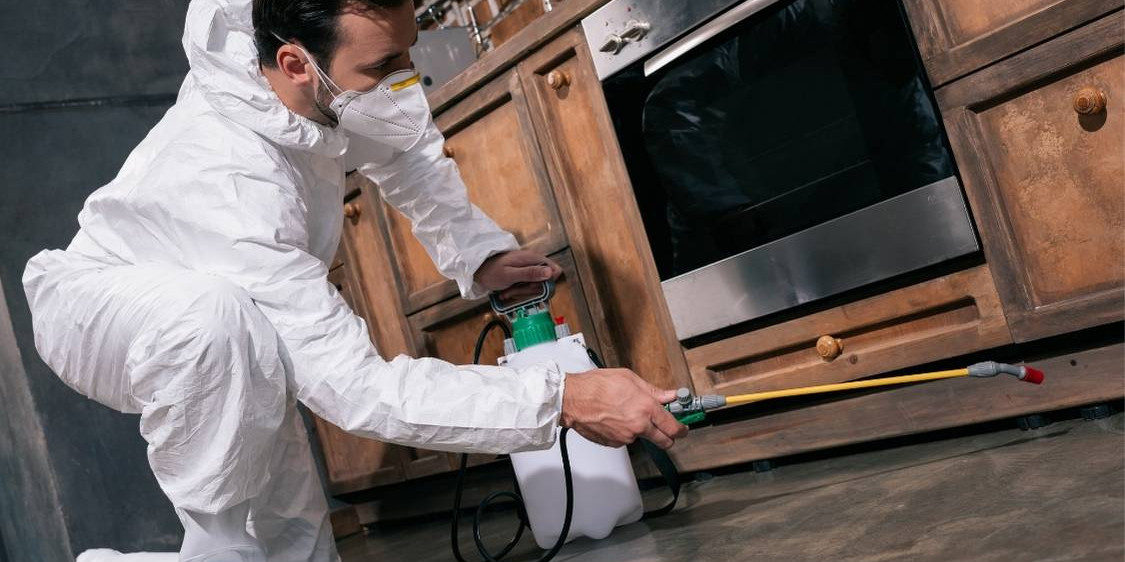
Professional pest control, like the services we provide at BD Pest Solutions, goes beyond the surface. We identify the specific species of ant and use targeted treatments that the workers take back to the queen, neutralizing the colony at its source. This is often the only way to stop a recurring problem that spans several seasons.
Maintaining an Ant-Free Home
Consistency is the key to a pest-free kitchen. By making a few small changes to your daily routine—like wiping down counters with a vinegar-based cleaner and storing food in sealed containers—you create an environment that is simply unattractive to scouts. Remember, ants are always looking for the path of least resistance. When you make your kitchen difficult to access and provide no rewards for their effort, they will look elsewhere.
If you’ve tried everything and those persistent ants are still making appearances, don’t get discouraged. Sometimes the colony is just too established for household cleaners to handle. Feel free to reach out to BD Pest Solutions for a professional inspection. We’re here to help you get back to enjoying your kitchen in peace.
Related Posts

Why switching to eco friendly pest control actually works for families
Is eco-friendly pest control effective?…

DIY vs. Professional Pest Control: When to Call the Pros
Deciding between DIY and professional…