
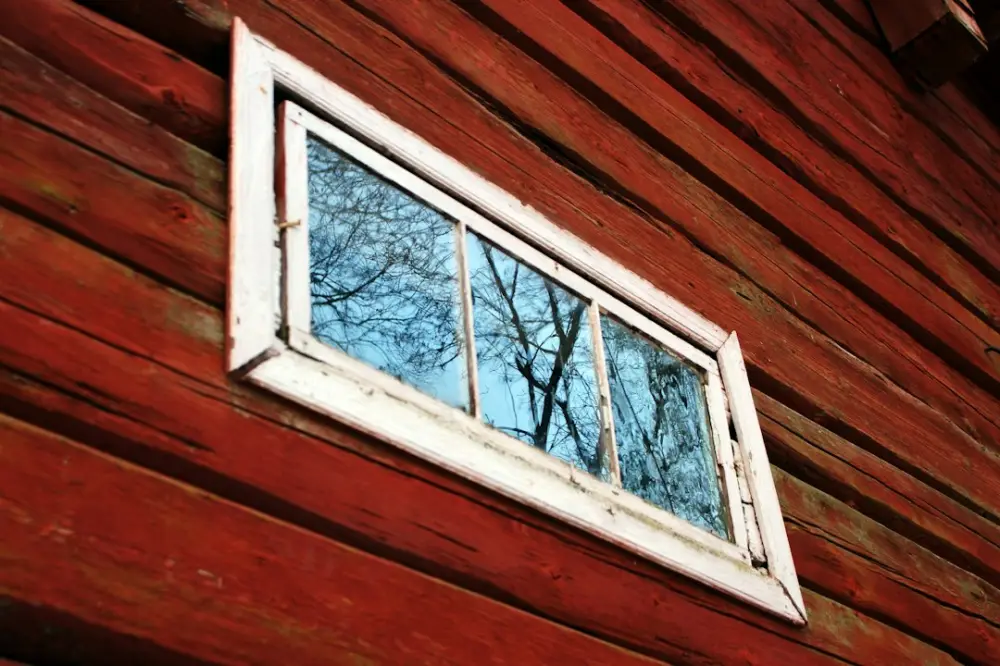
Pest entry points are structural gaps, cracks, or holes that allow rodents and insects to invade your home. Property maintenance for prevention focuses on identifying these vulnerabilities—such as dry floor drains or foundation fissures—and sealing them. This proactive approach stops infestations at the source and reduces reliance on reactive treatments in 2026.
Maintaining a property requires a shift in perspective from cleaning surfaces to hardening the building’s envelope. Insects and rodents are opportunistic; they do not require a wide-open door to enter. By addressing small maintenance lapses now, you can effectively eliminate the pathways that lead pests toward food and nesting sites inside your walls.
Why Property Maintenance is Key to Pest Prevention
Pest control is often misunderstood as a series of reactive measures taken only after an infestation is visible. However, the most effective strategy is exclusion. Exclusion is a maintenance-heavy process that involves physical barriers to keep pests out. When a building is well-maintained, it lacks the easy access points that common pests like mice, rats, and ants rely on to survive the changing temperatures of 2026.
For example, a small gap in a garage door seal might seem like a minor cosmetic issue, but for a field mouse, it is a clear invitation. Rodents can squeeze through an opening the size of a dime. Similarly, insects like cockroaches or silverfish can flatten their bodies to crawl through cracks thinner than a credit card. Without regular property maintenance, these tiny vulnerabilities go unnoticed until they become major highways for pests. By staying ahead of wear and tear, you reduce the biological pressure on your home, making it much less likely that pests will choose your property over another.
Focusing on maintenance also helps you identify what attracts pests to your property before they actually get inside. Standing water from a clogged gutter or wood rot on a window sill provides the perfect environment for termites and carpenter ants. When these structural issues are fixed promptly, the "cues" that draw pests to the building are removed entirely.
Interior Vulnerabilities: Dry Drains and Pipe Gaps
Many homeowners focus exclusively on the exterior, but the interior of a building has several critical entry points that are often overlooked. Plumbing is a primary culprit. In many utility rooms or basements, floor drains are installed to prevent flooding. These drains have "P-traps" designed to hold water and create a seal against sewer gases. If a drain is rarely used, the water in the trap evaporates. This creates a dry pipe that acts as an open tunnel for sewer flies and cockroaches to enter the living space from the municipal sewer system.
Another common interior vulnerability is the space around pipes under sinks and behind appliances. When builders install plumbing, they often cut holes in the drywall or cabinetry that are significantly larger than the pipe itself. These gaps lead directly into the wall voids. Mice and spiders use these voids as a protected transit system, moving from the basement to the kitchen without ever being seen. Sealing these gaps with professional-grade sealants or escutcheon plates is a vital step in any essential tips to keep your home pest-free.
In 2026, we also see an increase in pests entering through HVAC closets. If the seals around the refrigerant lines or condensate drains are not tight, they provide a direct path from the outside unit into the interior furnace area. Regularly inspecting these indoor utility connections ensures that your interior remains a sealed environment.
Exterior Hazards: Foundation Cracks and Vegetation
The exterior of your property is the first line of defense. Foundation cracks are perhaps the most common entry points for ground-dwelling pests. Over time, houses settle, and small fissures can develop in concrete or masonry. While these might not be structurally significant, they are large enough for pavement ants, crickets, and spiders to enter. Even a hairline crack can allow moisture to seep in, which attracts moisture-loving pests like centipedes and sowbugs.
Vegetation management is another critical component of property maintenance. Trees and shrubs that touch the side of a house or hang over the roofline act as bridges. Roof rats and squirrels use overhanging branches to gain access to the attic, while carpenter ants use them to bypass ground-level liquid barriers. If a tree limb is touching your siding, you have effectively provided a private highway for every climbing insect in the yard.
Furthermore, the type of mulch used near the foundation matters. Organic wood mulch retains moisture and provides cover for termites. Maintaining a "pest-free zone"—a 12-to-18-inch strip of gravel or stones between your foundation and any landscaping—drastically reduces the chances of pests finding a way inside. This gap forces pests into the open, where they are exposed to predators and less likely to find a hidden entry point.
Sealing Gaps in Entryways and Utility Conduits
Doors and windows are obvious entry points, but they are often poorly maintained. Weather stripping is designed to keep air out, but it also serves as a pest barrier. Over time, rubber and foam stripping becomes brittle and compressed, leaving gaps at the corners. Door sweeps are equally important; if you can see light under your door, a mouse can get through it. In commercial settings, heavy-duty brush sweeps are often necessary to withstand high foot traffic while still blocking insects.
Utility conduits—the places where electricity, gas, and cable lines enter the building—are frequently neglected. Technicians often drill through the siding or foundation and fail to seal the hole properly once the wire is in place. These gaps are often hidden behind bushes or utility boxes, making them perfect, secluded entrances for rodents. Because these lines are often warm, they are particularly attractive to pests during the cooler months of 2026.
To seal these areas, it is important to use the right materials. Expanding foam is a common DIY choice, but rodents can easily chew through it. A more effective solution involves stuffing the gap with stainless steel or copper mesh before applying a high-quality silicone caulk. This creates a physical deterrent that is both weather-resistant and rodent-proof.
Essential Home Maintenance Steps to Block Pests
To maintain a pest-resistant property, you should follow a structured maintenance routine. This proactive approach ensures that you catch small issues before they escalate into infestations. Follow these steps at least twice a year, ideally in the spring and autumn:
- Conduct a Perimeter Audit: Walk around the entire exterior of the building with a flashlight. Look for gaps around windows, doors, and where the siding meets the foundation. Pay close attention to "weep holes" in brick homes; these should be fitted with specialized mesh inserts that allow the wall to breathe while blocking pests.
- Inspect and Clean Gutters: Ensure that gutters are clear of debris and that downspouts direct water away from the foundation. Clogged gutters create damp wood and standing water, which are primary attractants for mosquitoes and wood-destroying organisms.
- Seal Utility Penetrations: Check every point where a pipe or wire enters the home. Use a combination of copper mesh and sealant to close any gaps. Don't forget to check the area behind the outdoor AC compressor.
- Replace Worn Weather Stripping: Test the seals on all exterior doors. If you can feel a draft or see light, replace the weather stripping and the door sweep immediately.
- Manage Interior Drains: For drains that are rarely used, such as those in guest bathrooms or basement floors, pour a gallon of water down them once a month to keep the P-trap full. You can also use a small amount of mineral oil to slow down evaporation.
- Trim Back Foliage: Maintain at least a one-foot gap between any plants and the building's walls. Ensure no branches are within six feet of the roofline.
Professional Prevention Strategies with BD Pest Solutions
While DIY maintenance is a powerful tool, some entry points are difficult to identify without professional training. Pests are experts at finding the path of least resistance, often utilizing gaps in roof soffits, chimney flashing, or crawl space vents that are hard for a property owner to inspect safely. Professional prevention goes beyond just sealing holes; it involves a comprehensive understanding of pest biology and how different species interact with the local environment in 2026.
Effective property maintenance for prevention is a collaborative effort. By keeping up with structural repairs and landscaping, you provide a solid foundation for long-term success. BD Pest Solutions specializes in identifying these hidden vulnerabilities and providing targeted treatments that reinforce your maintenance efforts. Whether it is a residential home or a commercial facility, the goal is to create an environment where pests cannot find a foothold. Trusting BD Pest Solutions means you are choosing a proactive partner dedicated to keeping your property secure, sanitary, and pest-free through precision exclusion and expert insight.