
A professional pest inspection is a comprehensive evaluation of a property to identify active infestations, potential entry points, and environmental factors that attract pests. Unlike a basic treatment, an inspection focuses on gathering data from the interior, exterior, and crawlspaces to develop a customized management plan tailored to the specific structure and its inhabitants.
Preparing your home or office before the technician arrives ensures they can access critical areas like utility gaps and baseboards. This process transforms a standard walkthrough into a deep diagnostic session, allowing the professional to see exactly where pests are nesting rather than just where they are wandering.
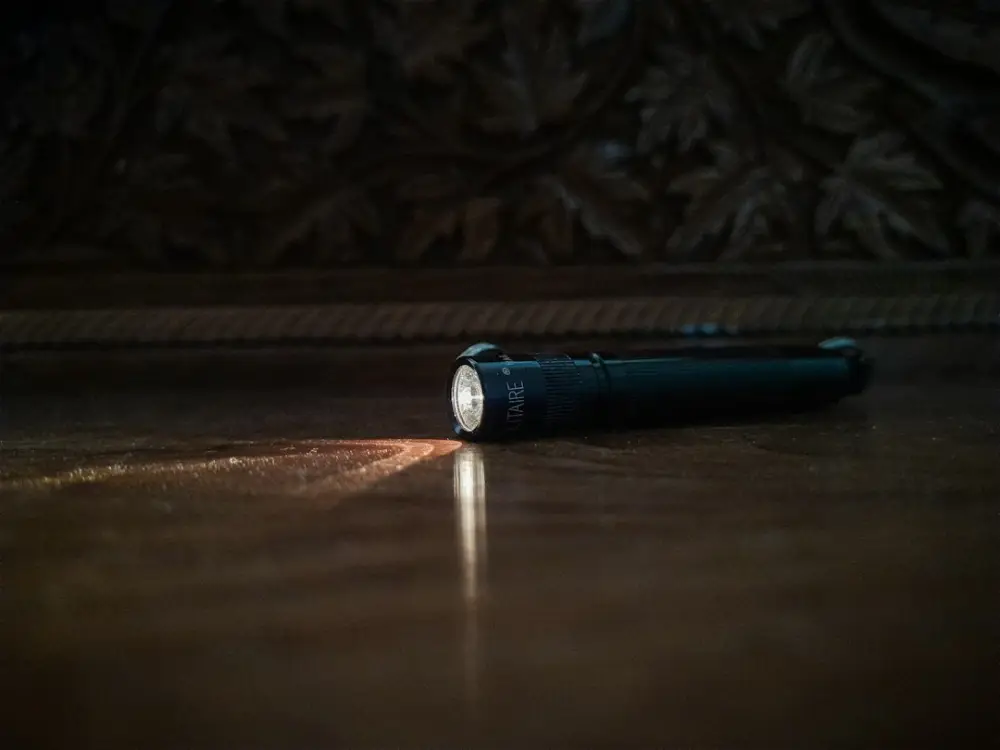
An inspection is more than a visual scan for bugs; it is a structural audit. A technician uses specialized tools, such as high-intensity flashlights, moisture meters, and sometimes thermal imaging cameras, to locate activity behind walls or under floorboards. For example, a moisture meter might reveal a slow leak behind a kitchen backsplash that is attracting carpenter ants, a detail that a surface-level spray would completely miss. The goal is to move beyond reactive killing and toward proactive prevention by identifying the root cause of the presence.
Essential Areas for a Thorough Inspection
To get the most value from your visit, you must provide the inspector with unobstructed access to the "hot zones" of your property. Pests rarely congregate in the middle of a room; they prefer the dark, damp, and undisturbed corners where utilities enter the building or where food debris accumulates.
Follow these steps to prepare your property for the walkthrough:
- Clear the perimeter: Move firewood, potted plants, or stored equipment at least two feet away from the exterior foundation so the inspector can check for cracks or termite mud tubes.
- Empty under-sink cabinets: Remove cleaning supplies from under kitchen and bathroom sinks. This allows the technician to inspect pipe penetrations for signs of roaches or rodents.
- Provide attic and crawlspace access: Ensure the hatches to these areas are not blocked by furniture or stored boxes. These are primary nesting sites for squirrels, rats, and spiders.
- Pull furniture away from walls: Moving couches or heavy desks just six inches away from the wall allows the inspector to check baseboards for droppings or insect casings.
- Secure your pets: Place dogs or cats in a crate or a room that has already been inspected to prevent them from interfering with the technician’s equipment or accidentally slipping out of open doors.
Pests Included in a Standard Visit
A general professional inspection typically covers a broad spectrum of common invaders. Most standard residential and commercial plans focus on crawling insects and common rodents. This includes odorous house ants, American and German cockroaches, common house spiders, centipedes, and silverfish. In a business setting, such as a restaurant, the focus often shifts heavily toward small flies and stored-product pests like weevils or flour beetles.
It is important to note that certain pests require specialized inspections. Wood-destroying organisms (WDO), such as subterranean termites or powderpost beetles, often involve a different reporting process, especially for real estate transactions. Similarly, bed bug inspections are highly localized and may involve different tools, such as canine scent detection or intensive furniture dismantling. If you spot early signs of common household activity, such as unexplained wood shavings or tiny black spots on upholstery, mention these specifically before the inspection begins so the technician can bring the appropriate diagnostic equipment.
Adapting Plans for Pets and Occupants
Modern pest management is built on the foundation of Integrated Pest Management (IPM). This means the plan is tailored specifically to the humans and animals living in the space. During the inspection, the professional will evaluate the safest methods for application based on the labels of the products being used. For instance, in a home with a crawling toddler or a curious puppy, the technician might prioritize gel baits placed deep inside wall voids or heavy-duty bait stations that are tamper-resistant and anchored to the floor.
Occupants with respiratory sensitivities or allergies should communicate these needs during the initial walkthrough. The inspector can then focus on mechanical exclusions—such as caulking gaps and installing door sweeps—rather than relying solely on liquid applications. By understanding the specific needs of the occupants, the technician can select products that are effective against the target pest while remaining minimally invasive to the daily routine of the household or business.
What to Look for in Your Service Scope
Once the inspection is complete, you should receive a written service scope or a digital report. This document is the roadmap for your pest defense and should be much more detailed than a simple receipt. A high-quality report will include a map of the property indicating where activity was found and a list of "conducive conditions." These are environmental factors you need to fix, such as a clogged gutter or a gap in a warehouse loading dock seal.
Compare the proposed treatment plan against a property pest prevention guide: strategies for long-term maintenance. Ensure the scope includes a clear frequency of visits—whether monthly, quarterly, or one-time—and a description of the warranty or "re-service" policy. If the pests return between scheduled visits, the scope should define whether the company will return at no additional cost to address the issue. Clear documentation ensures that both the property owner and the technician are held accountable for the health of the building.
When to Book Your Pest Inspection
Timing is a critical factor in effective pest prevention. While many people wait until they see a mouse in the pantry or an ant trail on the counter, the most effective inspections occur before the seasonal shifts. In the spring, an inspection can identify emerging colonies before they explode in population. In the late autumn, a professional can identify the entry points that rodents and spiders will use to seek warmth as the temperature drops. Waiting for a visible infestation often means the pests have already established a nest within the structure, making the removal process longer and more expensive.
For businesses, especially those in the food service or hospitality industries, inspections should be part of a regular compliance schedule to meet health department standards. For homeowners, an annual or bi-annual check-up can prevent minor issues from turning into structural damage. Professional oversight ensures that your property remains a hostile environment for pests year-round. When you are ready to secure your property with precision and local expertise, BD Pest Solutions provides the detailed inspections and guaranteed results necessary to maintain a pest-free environment.