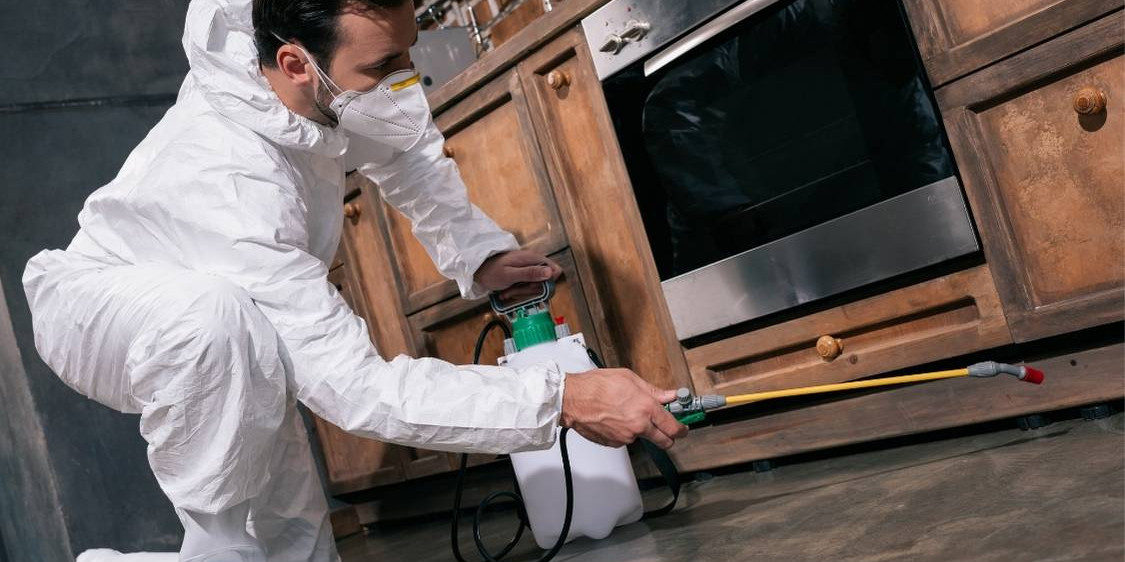

Why Eco-Friendly Pest Control is More Than Just a Trend
For years, the common perception of pest control involved heavy chemical sprays and pungent odors that required families to vacate their homes for hours. The assumption was simple: the harsher the chemical, the more effective the result. However, as our understanding of entomology and environmental science has evolved, so has the industry. Today, eco-friendly pest control isn’t just a ‘green’ alternative—it is often the most effective way to manage pests long-term.
At BD Pest Solutions, we understand that your primary concern is the safety of your children and pets. Switching to eco-friendly methods allows you to protect your home without compromising the health of your loved ones. In this guide, we’ll explore why these modern methods actually work and how they provide a sustainable shield for your household.
Understanding the Science of Eco-Friendly Solutions
When people hear ‘eco-friendly,’ they sometimes worry that the treatments will be ‘weak’ or won’t last. In reality, eco-friendly pest control relies on Integrated Pest Management (IPM). This is a science-based approach that focuses on the life cycles of pests and their interaction with the environment.
Targeted Treatments vs. Broad-Spectrum Chemicals
Traditional pest control often uses broad-spectrum insecticides. These are designed to kill a wide variety of insects on contact, but they can also affect beneficial bugs and leave behind residues that aren’t ideal for a busy family home. Eco-friendly solutions, on the other hand, use targeted botanical oils, baits, and growth regulators. These treatments are designed to affect the specific biology of the pest you are trying to eliminate—such as disrupting an ant colony’s ability to reproduce—without impacting non-target species or your family’s living space.
The Benefits for Families and Pets
The most significant advantage of choosing sustainable pest management is peace of mind. When you opt for eco-conscious services, you are reducing the ‘chemical footprint’ inside your home. This is particularly important for families with small children who spend time crawling on the floor or pets who tend to sniff every corner of the house.
- Improved Indoor Air Quality: Many traditional sprays contain Volatile Organic Compounds (VOCs) that can linger in the air. Eco-friendly alternatives typically use plant-based oils like peppermint, rosemary, or cedarwood, which are much gentler on your respiratory system.
- Reduced Residue Issues: Sustainable treatments are designed to break down more naturally over time, ensuring that harmful substances don’t build up in your carpets or furniture.
- Long-Term Prevention: Because eco-friendly pest control focuses on why pests are entering your home (rather than just killing the ones you see), the results tend to last much longer.
Practical Steps to Maintain an Eco-Friendly Home
Professional treatments are only one part of the equation. To truly make eco-friendly pest control work for your family, you can implement several practical habits that discourage pests from moving in. Think of these as your first line of defense.
1. Manage Your Moisture
Most pests, including cockroaches and silverfish, are drawn to moisture. Check under your sinks for slow leaks and ensure your bathroom is well-ventilated. Even a small damp spot can be a beacon for thirsty pests.
2. Seal the Entry Points
Pests don’t need a wide-open door to get inside. A mouse can squeeze through a hole the size of a dime, and ants can find their way through the smallest cracks in your foundation. Use silicone-based caulk to seal gaps around windows, doors, and utility pipes.
3. Smart Food Storage
It’s a simple rule: if they can’t smell it, they won’t come for it. Store dry goods like cereal, flour, and sugar in airtight glass or plastic containers. Make sure to wipe down counters every night to remove ‘micro-crumbs’ that are invisible to us but a feast for an ant scout.
Making the Switch: What to Expect
If you are transitioning from traditional chemical treatments to an eco-friendly approach, you might notice a few differences in how the service is performed. Instead of a technician simply spraying every baseboard in your house, an eco-friendly professional will spend more time inspecting.
They will look for ‘conducive conditions’—things like wood piles touching the house or overgrown shrubbery—and offer advice on how to fix them. The treatment itself might involve placing baits in strategic, out-of-reach locations or applying botanical dusts in wall voids where pests hide. The goal is to be surgical rather than ‘blanket’ in application.
Conclusion: A Smarter Way to Protect Your Home
Switching to eco-friendly pest control is a practical choice that aligns with the needs of a modern family. It moves away from the ‘spray and pray’ mentality of the past and toward a smarter, safer, and more sustainable future. By focusing on prevention, biology, and low-impact treatments, you can enjoy a pest-free home without the worry of harsh chemical exposure.
At BD Pest Solutions, we believe that effective pest control shouldn’t come at the cost of your family’s well-being. By combining professional expertise with simple home maintenance, you can keep your living space healthy, happy, and bug-free year-round.
Related Posts
How to finally stop those kitchen ants from coming back
Tired of tiny invaders? Learn how to…
DIY vs. Professional Pest Control: When to Call the Pros
Deciding between DIY and professional…